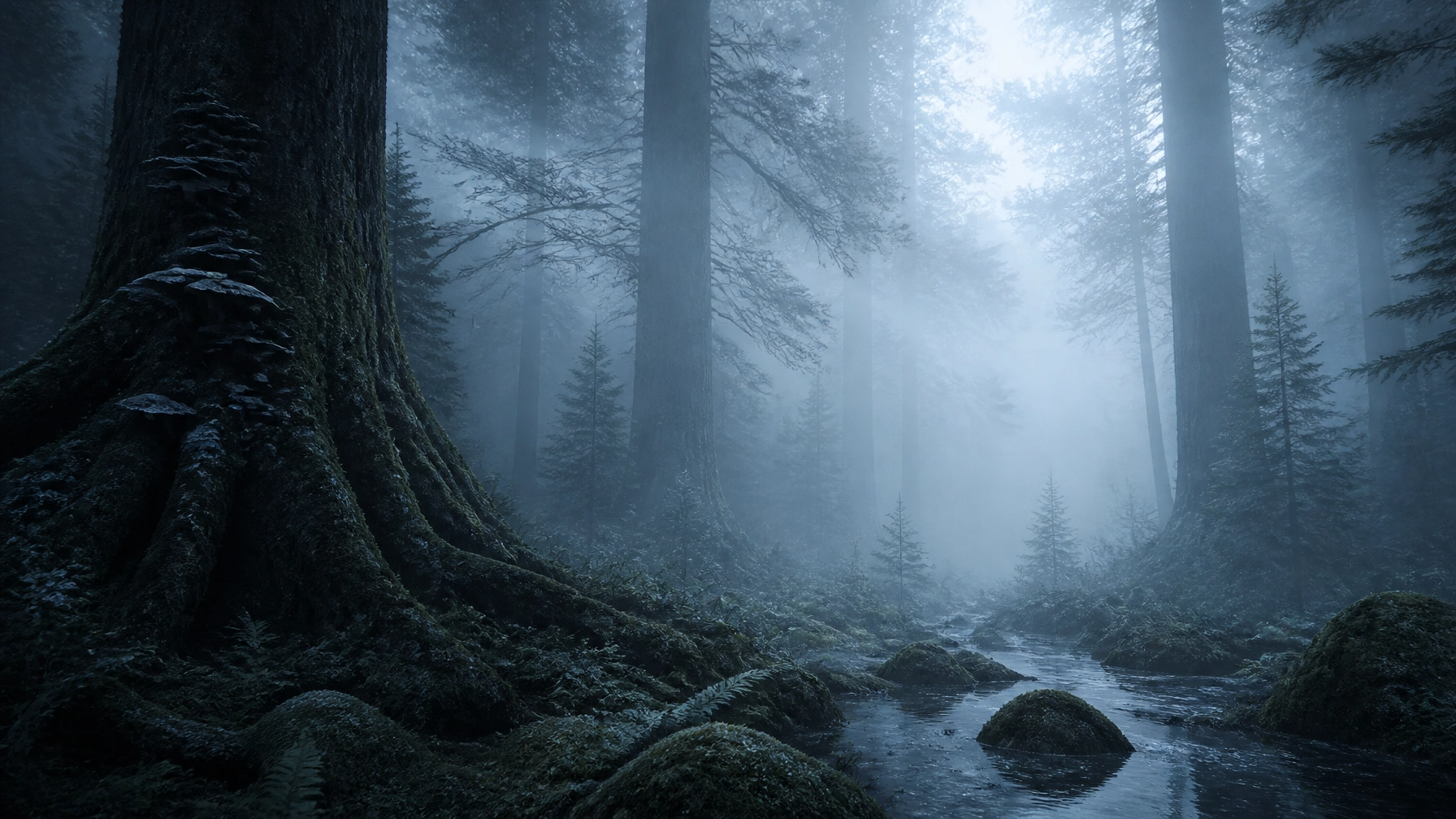
In my world at NVL Music, I spend a lot of time thinking about how sound makes us feel. Sometimes I’m trying to capture the vast, quiet chill of a rainy morning, and other times I’m trying to tell the story of a lifetime of friendship in a single melody. These two approaches, Atmospheric and Emotional Cinematic, are like two different languages spoken by the same heart.
Hello, and welcome! I’m so glad you’re here. Whether you’ve stumbled upon this page while searching for the perfect sound for your next film, or you’re just a fellow traveler looking for a bit of sonic solace, please make yourself comfortable. Stay as long as you’d like.
But if you’re a creator, you might be asking: “Which one do I actually need for my project?”
Choosing the right musical direction can feel like trying to catch lightning in a bottle. It’s subtle, it’s intuitive, and it’s deeply personal. Today, I want to pull back the curtain on these two styles and help you find the one that resonates most with your “first voice”, what I call the Prima Voca.
The Subtle Art of Atmospheric Music: Setting the Scene
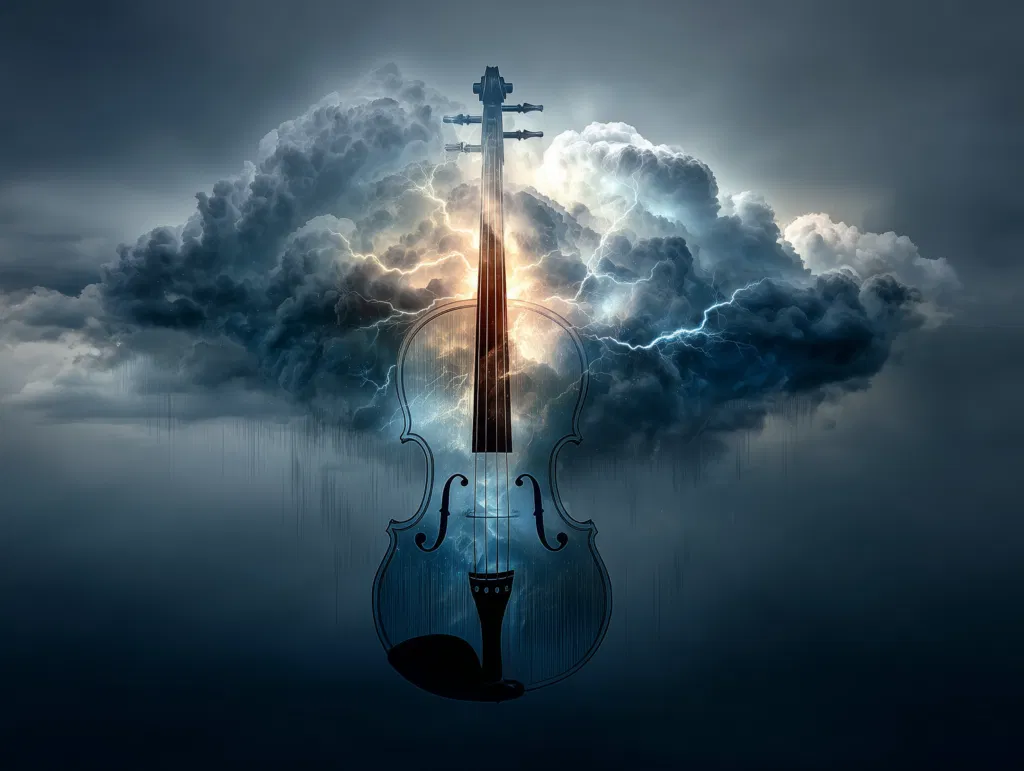
Atmospheric music is less about a “story” and more about a “place.” It leans toward texture, space, and mood, the kind of sound that can feel like weather moving through a room. But this is also where things get interesting, because not every storm-like title actually stays in that lane.
Rain Deluge is a good example of how the line can blur. The name might sound purely atmospheric at first, but the song itself leans more cinematic and emotional. After those first few quiet notes, it turns aggressive, with a deluge of violins and drums that absolutely refuse to hide in the background. It’s less about standing still inside a mood and more like a big ole storm that insists on itself.
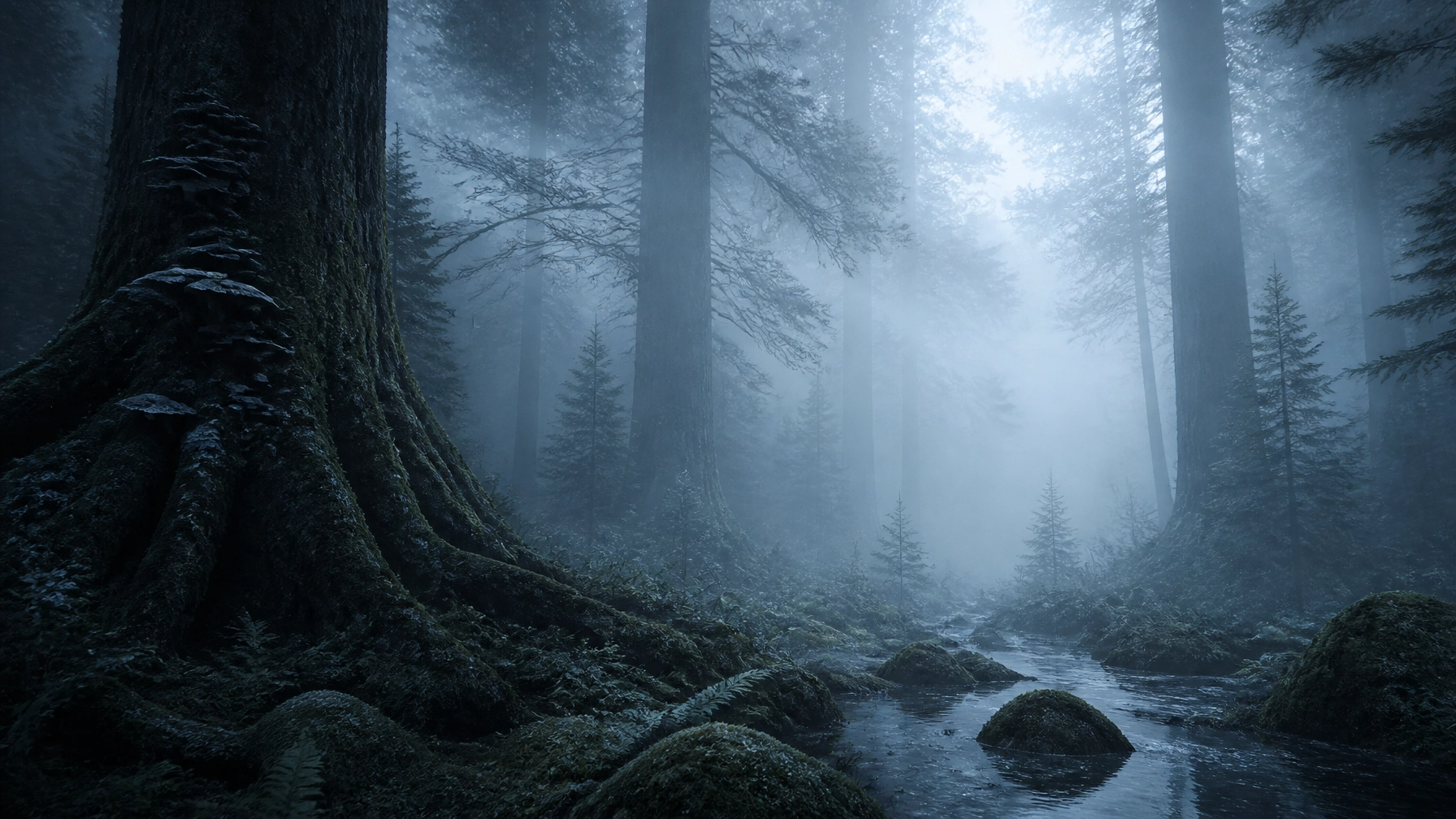
What defines an Atmospheric piece?
- Texture Over Melody: You won’t usually find a hummable tune here. Instead, you’ll find layers of drones, soft pulses, and environmental sounds.
- A Sense of Space: It feels vast. It’s meant to expand the room you’re in.
- Static but Shifting: Like a fog that rolls in, it doesn’t “end” so much as it just is. It stays in the background, supporting the mood without demanding you look at it.
If your project is a documentary about nature, a meditative sequence, or a scene where the environment itself is the main character, atmospheric music is your best friend. It creates a “bed” for your audience to rest in. It doesn’t tell them how to feel, it just gives them a place to feel it. And sometimes, as with Rain Deluge, a piece can begin in that world before charging straight into something more cinematic. That blur is part of the beauty.
The Narrative Heart of Emotional Cinematic Music: Telling the Story
Now, emotional cinematic music is a different beast entirely. This is the music of the “moment.” It’s designed to walk hand-in-hand with a narrative arc. When I wrote A Toast to My Friends, there was a very specific emotional trajectory in mind, nostalgia, gratitude, and a bit of that sweet-and-sour ache that comes with time passing.
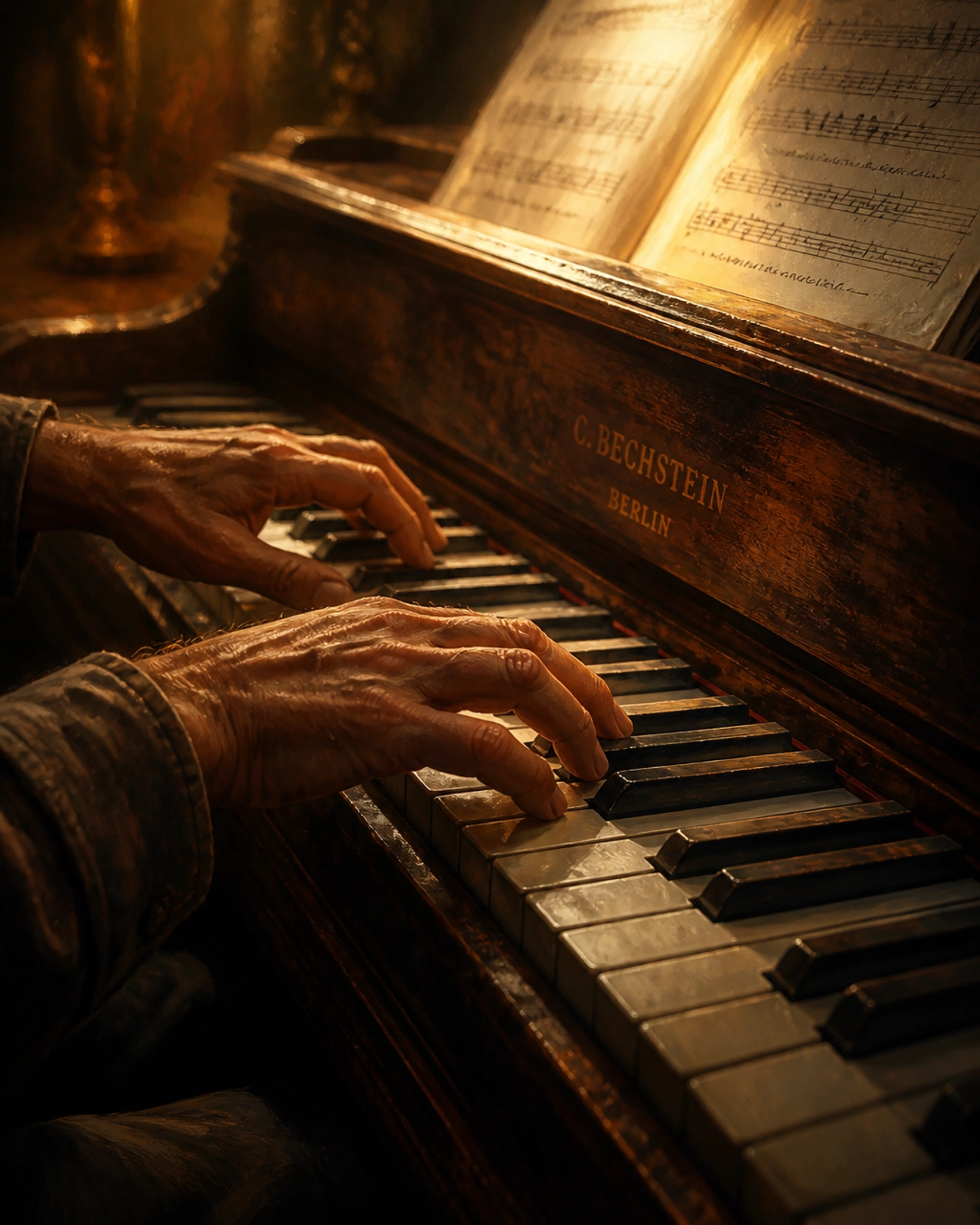
What defines an Emotional Cinematic piece?
- Arc and Development: It has a beginning, a middle, and a climax. It builds. It breathes. It releases.
- Melodic Themes: Often led by a piano or a cello, these pieces have “motifs”, little musical ideas that represent a person or a feeling.
- Guiding the Audience: This music is more intentional. It says, “Notice this sadness,” or “Feel this spark of hope.”
If you are working on a short film with a poignant reveal, a podcast episode that hits a emotional turning point, or a brand video that needs to inspire action, you need the narrative power of cinematic scoring. It’s the difference between seeing a storm in the distance (Atmospheric) and feeling the first drop of rain hit your face (Cinematic).
The “Prima Voca” Intersection: Sincerity Over Everything
I’ll be honest with you, sometimes the lines between these two get a little blurry. And that’s okay! In fact, that’s where the magic usually happens.
In my own process, I use a compass I call Prima Voca (“first voice”). It’s my way of saying that the gut-feeling, the intuition, and the raw sincerity of the music are more important than any technical category. Whether I’m using AI to layer vocals or hand-playing a melody on an out-of-tune piano, the goal is always the same: Does this feel true?
For me, sincerity means not following trends. If the world wants “upbeat and corporate,” but my heart is stuck in a “moody, storm-like soundscape,” I’m going to follow the storm. Projects like Dunkman (I can Feel It) or Flooded Dream aren’t made to fit into a box. They are made to be honest.
When you’re choosing music for your project, I encourage you to look for that same sincerity. Don’t just look for “cinematic music”; look for music that feels like it has a soul.
Practical Guide: Which Should You Choose?
I know, I know, “follow your heart” is nice advice, but sometimes you just need to finish your edit! Here is a quick cheat sheet for your next project:
| Choose Atmospheric if… | Choose Emotional Cinematic if… |
|---|---|
| Your visuals are doing the heavy lifting. | You need the music to explain the subtext. |
| You have a lot of dialogue or voiceover. | You have a montage or a silent emotional beat. |
| You want the audience to feel “immersed” or “present.” | You want the audience to feel “moved” or “inspired.” |
| Your project is about a place or a state of being. | Your project is about a person or a change. |
The Beauty of the “Work-in-Progress”
One thing I love to share with my visitors is that music, like life, is rarely finished. I often share raw snippets or “storm-like” drafts before they ever become full releases. I believe there is a unique vulnerability in showing the messy parts of the creative process.
If you’re a creator struggling to find the right sound, don’t be afraid to experiment with both. Sometimes a scene you thought needed a big cinematic swell actually works better with a quiet, atmospheric drone. And sometimes, a quiet moment needs a single, honest piano note to really land.
You Are Always Welcome Here
I hope this helps clarify the paths you can take with your sound. Music is such a powerful storyteller, and finding the right one is a journey of its own.
Please feel free to explore The Listening Room to hear some of these differences in action. If you disagree with my definitions, or if you’ve found a third way that works for you, I’d love to hear about it! My door is always open (well, my digital door, anyway).
Thank you for spending a little bit of your day with me. Keep creating from the heart, and remember: your “first voice” is the only one that truly knows the way. 😊
Warmly,
Nicole (NVL Music)
(c)2026 Prima Voca. All Rights Reserved