Hello there. I am so glad you found your way here. Please, pull up a chair, make yourself comfortable, and stay as long as you’d like. Whether you’re a fellow musician navigating these choppy digital waters or a listener who simply loves a good story, you are more than welcome in this space.
Lately, it feels like we’re all living in a bit of a storm, doesn’t it? Especially here in 2026, the “noise” of the music industry can feel deafening. There’s a constant pressure to be everywhere, to jump on every 15-second trend, and to satisfy an algorithm that seems to change its mind every Tuesday. It’s enough to make anyone want to hide under the covers.
But I’ve been thinking a lot about the difference between a “flash in the pan” and a steady, glowing hearth. Do we really need to chase artist trends to be successful? Or is there something more enduring waiting for independent artists if we just slow down and listen?
The Mirage of the Metric
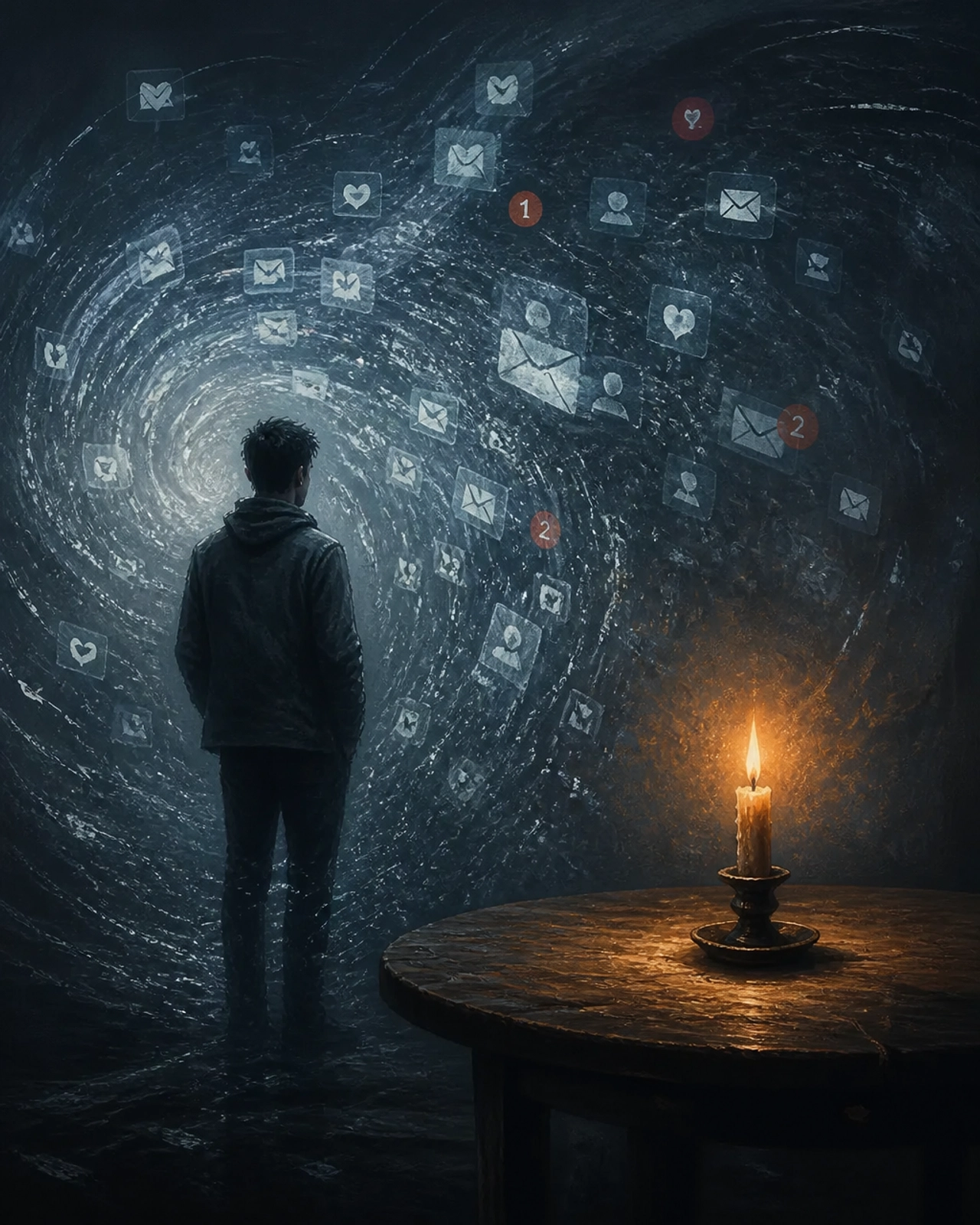
It’s easy to get caught up in the numbers. We see a video go viral, or a song rack up millions of plays in a weekend, and we feel that pang of “I’m falling behind.” We start thinking, Maybe if I used that specific sound effect, or Maybe if I danced just like that, I’d finally “make it.”
But here’s the truth I’ve learned: virality is often a mirage. You might get the views, but do you get the connection?
In 2026, the platforms are actually starting to figure this out, too. They’re rewarding engagement quality over raw numbers. A thousand people who truly feel your music in their bones are worth more than a million people who scrolled past your face while waiting for their coffee. When we chase trends, we often become interchangeable. We lose that unique “thumbprint” that makes our music ours.
If we’re just copying what worked for someone else, we aren’t leading, we’re just following the echo. And honestly? It’s exhausting. I’d much rather spend my energy creating something that feels like a warm hug or a deep breath than trying to “hack” a system that wasn’t built with the human heart in mind.
Prima Voca: Finding Your First Voice
When the noise gets too loud, I always come back to a concept I call Prima Voca, or the “first voice.” It’s my compass. It’s that initial, gut-level spark of an idea that comes before the analysis, before the technical constraints, and certainly before the thoughts of “will this trend?”
If you’ve read any number of my posts by now, you may be growing a little weary of hearing the words Prima Voca lol. I get it. Truly. So here’s another way I like to think about it: it’s the part of you that knew how to sing before anybody explained what singing was supposed to sound like.
Almost anyone can make music. It has been that way since the beginning of time. Before the panels, before the plugins, before someone stood in the doorway with a checklist, there was just sound and a human being making it. I think about that child who used to sing anywhere, anytime, without asking permission first. That instinct matters. Maybe more than we give it credit for.
You can read more about my philosophy on why Prima Voca is so central to my work here.
For me, being an independent artist is about honoring that voice. It’s about sincerity over technical perfection. And I really mean that. I do not care if you have a studio setup that looks like an airport traffic control tower or you are holding an empty soup can and banging on it with a rock. It is all music. Don’t let anyone tell you it is not.
Many corners of the industry would have you believe there is only one correct way to make music, one approved path, one polished language you must learn before you are allowed to call yourself an artist. I don’t buy that. The independent part of being an independent artist is something worth enjoying every now and then. It can be messy, playful, stubborn, homemade, strange, deeply tender. Good.
Sometimes that means my music doesn’t fit neatly into a genre box. Sometimes it means I use “imperfect” tools, like AI-assisted sounds, because they help me capture the feeling of a storm or a dream better than anything else could.
The heart of the matter is that sincerity is the new “edge.” In a world full of polished, trend-driven output, listeners are actually craving something that feels real. They want to hear the person behind the notes. They want to know that you’re being honest with them, even if it’s a bit messy.
Cinematic Soundscapes vs. 15-Second Clips
I love creating immersive, cinematic soundscapes. Pieces that feel like a journey. But let’s be real, a six-minute track with a slow build is the “antonym” of a viral TikTok clip.
Does that mean it’s less valuable? Not at all.
When I released “Rain Deluge”, I wasn’t thinking about how to make it “snackable.” I wanted people to feel the weight of the water, the intensity of the storm, and the relief of the aftermath. It’s a song for people who want to put on headphones, close their eyes, and go somewhere else for a while.
The music I make, like “A Toast to My Friends”, is built for longevity. I want my songs to be the ones you can come back to a year from now, or five years from now, when you need to feel a certain way. Trends have an expiration date. Sincerity doesn’t.
If you’re an artist, I encourage you to ask yourself: Am I building a snack, or am I building a home? Both have their place, but only one will still be standing after the storm passes.
Building for Longevity vs Artist Trends

Building a body of work is like building a bridge. It takes time. It requires you to lay one stone at a time, making sure each one is set with intention. It’s not about the fastest way across; it’s about the most enduring way.
As independent artists, we have the freedom to be “work-in-progress” humans. We don’t have to be perfect. We just have to be present. I’m always learning, always shifting, and honestly, always a little bit nervous when I share something new. But that vulnerability is where the magic happens.
It also helps me to remember that the innovators we now speak about like legends were criticized, too. Stevie Wonder. Elton John. Herbie Hancock. Miles Davis. Even Johann Sebastian Bach had critics. You should have heard some of what was said about the Beatles, Hendrix, Bowie. History is full of people being told their sound was too odd, too much, too early, too different, until one day the culture caught up.
If you’re feeling the pressure to trend-chase, try this instead:
- Define your lane clearly. What do you care about? What is your “First Voice” saying?
- Focus on engagement, not ego. Talk to the people who comment. Write back. Build a community, not just a following.
- Be patient. Authenticity compounds over time. Trends fade, but a reputation for honesty is worth its weight in gold.
You Are Invited and Welcome
If you’ve ever felt like your music (or your taste in music) doesn’t quite fit the “standard” mold, please know that you are in the right place. My work is for the dreamers, the introspective souls, and anyone who craves substance over sizzle.
I don’t have all the answers: I’m still figuring it out every day in my studio: but I do know that staying true to yourself is the only way to find peace in this industry. Disagree with me? That’s okay! This is a low-pressure environment. I just hope that something here made you feel a little less alone in your creative journey.
Thank you for being here. It means the world to me. Feel free to explore more about my journey or dive into the music whenever you’re ready.
Warmly,
Nicole
(c) 2026 Prima Voca